Dental devices for Snoring and Sleep Apnea
Two devices, supplied by a doctor-led, CQC-registered clinic. Both stop snoring and can help with mild sleep apnea, the difference is how they're made and how they fit.
Who should use a dental device?
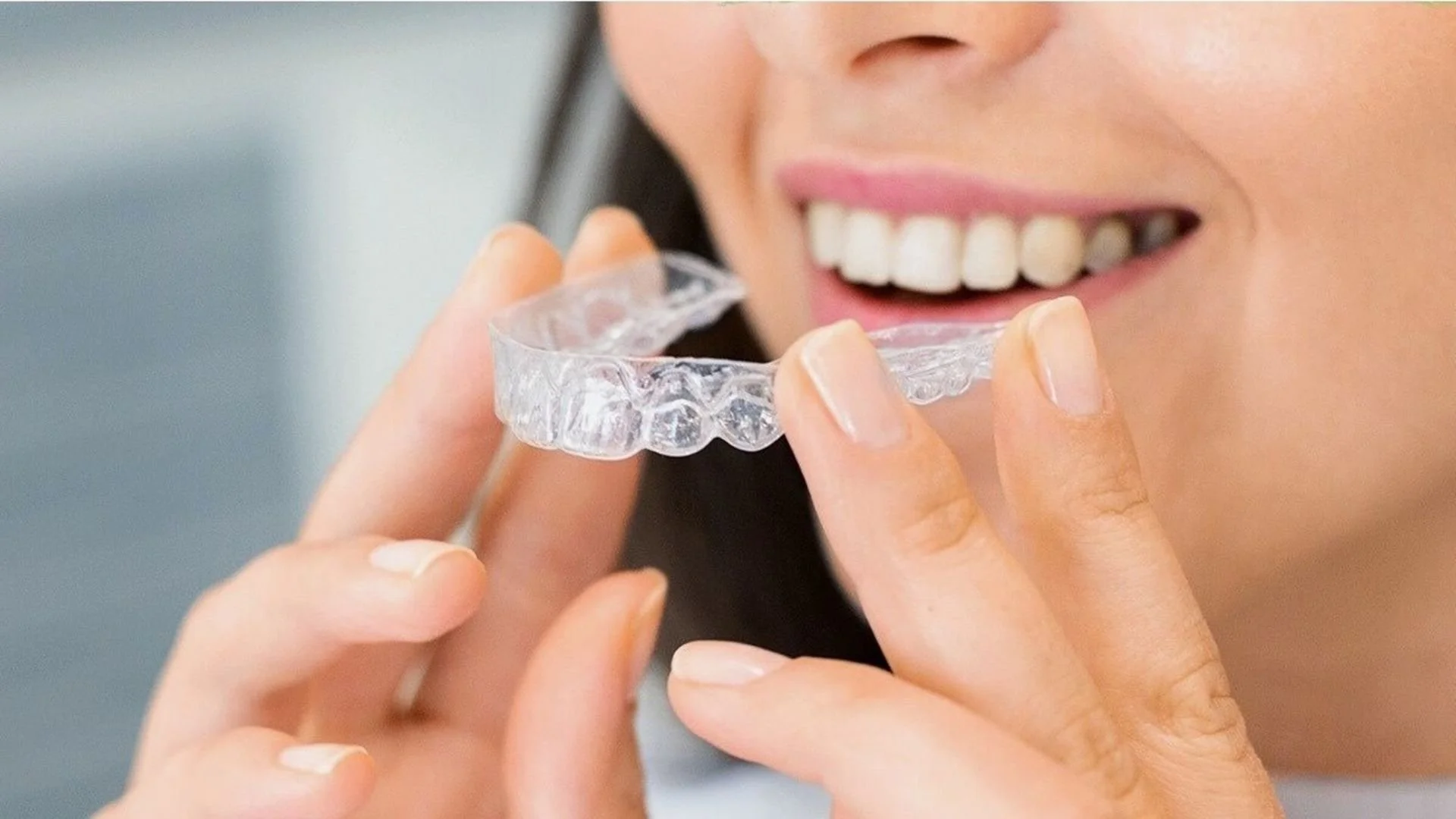
A dental device, properly called a mandibular advancement device, suits most people who snore, and many people with mild obstructive sleep apnoea.
It's likely to help if:
You snore, and it's affecting your sleep or your partner's
You've been diagnosed with mild sleep apnoea
You've tried CPAP and couldn't get on with it, or you'd rather not use it
You want something you can actually travel with
Speak to us first if:
You've been told you stop breathing or gasp in your sleep, but haven't been tested
You feel sleepy during the day, particularly while driving
You've been diagnosed with moderate or severe sleep apnoea
It's not suitable if you have loose teeth, untreated decay, gum disease, loose crowns or bridgework, or fixed orthodontic work. Check with your dentist first.
If you're not sure whether you're a simple snorer or something more, that's worth finding out before you buy anything.
There is also a related condition call upper airways resistance syndrome (UARS), which we also usually treat with a dental device.
Our Devices
-
The Contour is suitable for adults with primary snoring, or mild-to-moderate obstructive sleep apnoea under medical guidance. It's a Class 1 Medical Device, registered with the MHRA.
Check with your dentist first if you have any of the following: TMJ (jaw joint) problems, loose teeth or crowns, gum disease, a very sensitive gag reflex, or central sleep apnoea.
If you experience excessive discomfort, or feel the device is damaging your teeth or gums, stop using it and contact us.
-
The interchangeable straps on the SleepPro Contour Stop Snoring Mouthpiece allow incremental precise advancement of the lower jaw, restoring the tension in the upper airway and preventing the soft pallet from collapsing and obstructing the upper airway. This prevents snoring. If you find your selected tension straps do not stop you, select the next pair down, or if the first setting is too far forward, try the next pair of longer straps.
-
Fitting your Contour is simple: soften the trays in freshly boiled water, bite down and mould them to your teeth with your fingers, then set the shape in cold water before attaching your chosen pair of tension straps — we recommend starting with the longest pair and adjusting from there. Read the full fitting guide →
-
Individually made for you
Each Custom S2 is crafted in a UK dental laboratory using a professional impression of your teeth. This creates a close, secure fit that is less likely to move or work loose during the night.Professional-grade quality at a more accessible price
The Custom S2 offers the precision and durability of a laboratory-made appliance without the higher cost typically associated with having a device fitted privately through a dental practice.Slim, low-bulk design
Because it is made to fit your teeth, the Custom S2 can be slimmer and smoother than many over-the-counter devices. This helps it feel more natural in the mouth once you have become accustomed to wearing it.A natural upgrade from a boil-and-bite device
The Custom S2 is a good next step for people who have tried a basic self-moulded device and are looking for a more secure fit, improved comfort and greater durability.Made in the UK
The device is manufactured in Britain by a specialist supplier of sleep-related oral appliances and night guards, with extensive experience producing devices for clinics and patients.Supported by published clinical research
The device on which the Custom S2 is based was included in TOMADO, an independent NIHR-funded randomised controlled trial published in Thorax in 2014. The study found mandibular advancement devices to be a cost-effective option for managing snoring, with the semi-bespoke device identified as an appropriate first-choice option for many patients. -
The Custom S2 is intended for adults who snore and want a professionally made, custom-fit alternative to an over-the-counter mouthpiece.
It may be particularly suitable for:
adults who snore during sleep
people who have tried a boil-and-bite device and want a more secure, comfortable and durable option
people looking for a slim, laboratory-made appliance without the cost of a fully dentist-provided device
If you snore loudly, stop breathing during sleep, wake choking or gasping, or experience significant daytime sleepiness, you should have a medical assessment for obstructive sleep apnoea before relying on an oral device.
-
1. Order online
Place your order through our website and we’ll send you a professional dental impression kit, together with clear, step-by-step instructions.2. Take your impressions at home
Use the kit to take impressions of your upper and lower teeth, along with your bite position, in your own time. Our support team is available to help if you are unsure whether your impressions are suitable.3. Return your impressions to the laboratory
Send the completed impressions to the UK dental laboratory using the packaging provided. Return postage is not prepaid, so you will need to arrange and pay for postage.4. Your device is made for you
Once your impressions have been received and approved, skilled dental technicians will use them to create your bespoke Custom S2.5. Fit your device and start using it
When your device arrives, follow the enclosed fitting and care instructions. With regular use, many people experience a noticeable reduction in snoring and sleep disruption.Some adjustment and acclimatisation is normal when you first begin wearing a mandibular advancement device. Our team is available to help if you have any questions or feel that your device needs to be reviewed.
How They Work
When you sleep, the muscles at the back of your throat relax. In some people that soft tissue narrows, and vibrates as air passes through it, that's snoring. In others it collapses far enough to interrupt breathing altogether, which is sleep apnoea.
A dental device holds your lower jaw gently forward overnight. That small movement pulls the tissue at the back of your throat taut and keeps the airway open, so air moves freely and quietly.
It takes a week or two to get used to. Most people notice a difference in the first few nights.

Why buy through us?
We're a CQC-registered clinic. Every device we supply comes with a clinical review.
A check that a dental device is right for you at all
Help choosing between the two, based on your symptoms rather than your budget
Home sleep testing if your symptoms suggest apnea
Guidance on fitting, adjusting and settling in
Aftercare from our clinical team, not a call centre
What is snoring?
Snoring and obstructive sleep apnea can be treated with a dental device, also known as a mandibular advancement device, or MAD.
The upper airway naturally narrows as you sleep and the soft tissue start to vibrate with breathing. This is what causes the snoring noise. Snoring by itself causes no harm the individual, but can cause serious disruption to a bed partner’s sleep, or even the sleep of the entire houehold.
How does a dental device work?
Dental devices are like are like sports gumshields but with a section for the lower teeth that clip together and bring the lower jaw forwards by a few millimetres to create more space in the airway behind the tongue, which can fix the snoring sounds.
“Is this just snoring, or could I have obstructive sleep apnea?”
WIth obstructive sleep apnea, the airway narrows further and actually closes, causes a pause in your breathing. Your body eventually has to bring you back from deep sleep (or sometimes wake your up compeltely) so your airway muscles regain thei power and pull open your airway so you can start breathing again, and this often restarts with a gasping or choking sound. This fragments the sleep and can lead to signifacant daytime sleepiness.
If you don’t just have snoring - if you also have pauses in your breathing, gasping or choking sounds, or daytime sleepiness, then you should consider having a home sleep test first. This sleep apnea quiz can help you decide.