

Obstructive Sleep Apnea and Driving - Will I Lose My Licence? DVLA Guidance Explained.
In most cases you will not lose your driving licence because of sleep apnoea. You usually only need to stop driving if you have excessive daytime sleepiness that could make driving unsafe. In the UK, the DVLA may need to be informed in some situations, but most people are able to continue driving or return to driving once sleep apnoea is diagnosed and treated, often using CPAP. This article aims to give you practical advice to help you navigate the process.
If you are still unsure, don't hesitate to get in touch with us. We would be happy to arrange a consultation with one of our specialist sleep doctors, who can provide you with personalised advice.
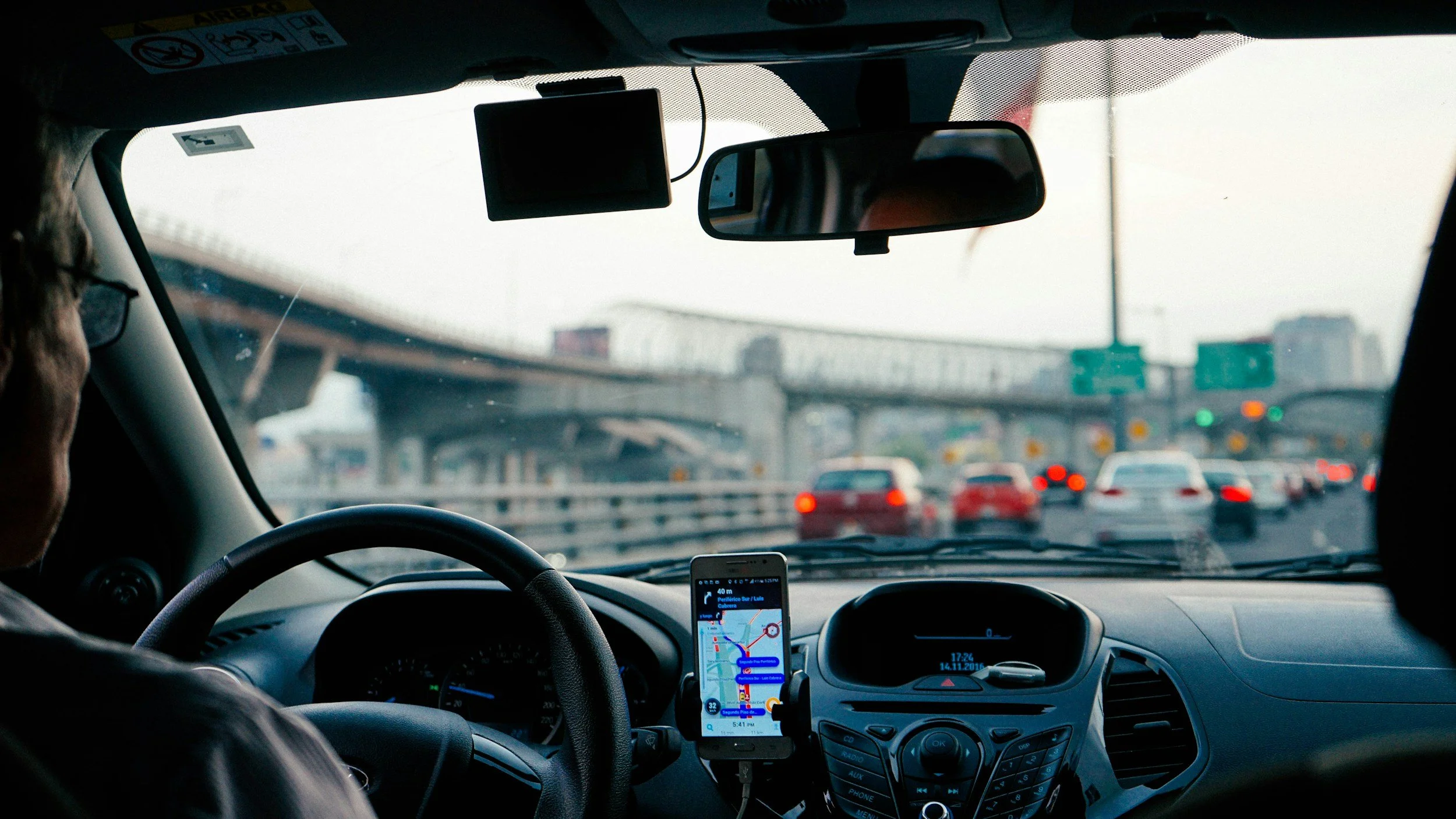
What is the concern about obstructive sleep apnea (OSA) and driving?
Obstructive sleep apnea is a sleep disorder usually associated with snoring, where the upper airway repeatedly closes while you sleep causing pauses in breathing. The body needs to wake up each time to open the airway which disturbs sleep many times overnight. This can lead to poor quality sleep, and so people with untreated sleep apnea may feel tired or sleepy during the daytime.
Feeling tired or sleepy while driving can impair concentration and put you at risk of falling asleep at the wheel and having an accident.
DVLA rules about driving and sleep apnea (UK guidance)
If you have suspected sleep apnea, or have been diagnosed with sleep apnea and are awaiting treatment, it’s helpful to break down advice about driving into two parts:
-
The most important point is that it’s everyone’s responsibility not to drive if feeling tired or sleepy.
Whether you need to stop driving altogether depends on how sleepy you are and whether it is affecting (or is likely to affect) driving. This is because symptoms of sleep apnea vary from person to person and not everyone with untreated sleep apnea will be sleepy during the daytime.
If you have excessive daytime sleepiness that is affecting, or may affect driving, due to sleep apnea (or any other cause), you shouldn’t drive until your sleepiness has improved. You can make this decision yourself, or you may be advised to stop driving by your doctor.
You are likely to know if you’ve been feeling sleepy while driving, but other signs that you should not be driving include needing to keep the window open to stay awake, taking frequent breaks, or stopping to nap on a journey. If you are generally sleepy in other situations, this is also likely to put you at risk of dozing off while driving, and you may need to stop driving.
-
While you are being assessed for sleep apnea you don’t need to inform the DVLA, but you may need to stop driving if excessively sleepy, as outlined above.
If you have been diagnosed with moderate or severe sleep apnea and have excessive sleepiness affecting (or likely to affect) driving, you need to inform the DVLA of the diagnosis. You may be advised by your sleep clinic to inform the DVLA even if you haven’t had to stop driving, and it is your responsibility to do this.
If you have mild sleep apnea, the DVLA says that you only need to inform them if symptoms aren’t controlled within 3 months. However, depending on your situation, your doctor may still advise you to inform the DVLA.
The DVLA will ask the clinic providing treatment to confirm that your sleep apnea is treated and your sleepiness has improved.
The most commonly used treatment is CPAP and as a guide, good usage is normally considered to be at least 4 hours per night on more than 70% of nights.
I’ve been told to stop driving because of sleep apnea - when can I drive again?
Firstly, if you haven’t yet been diagnosed, then it’s important to have a sleep test to confirm the diagnosis and severity of sleep apnea. If you are waiting for an NHS sleep test, we can help speed up this process with our home sleep test. We’d also recommend booking a consultation if you need advice about driving.
Once diagnosed, you will need to have your sleep apnea treated in order to start driving again. CPAP is the best treatment for moderate and severe sleep apnea, and it works from the first night. If you can use it regularly, you should be able to return to driving after about two weeks, although it can sometimes take longer if you need more time to get used to CPAP. A clinician at your sleep clinic will need to confirm that you can return to driving by checking that your sleepiness has improved and that you are using CPAP regularly (usually at least 4 hours per night on more than 70% of nights).
Sleep apnea and HGV / Bus (Group 2) drivers – what are the rules?
The DVLA guidance about when to stop driving and when to inform the DVLA is actually the same for group 1 (car) and group 2 (HGV and bus) drivers. The only difference is that group 2 drivers need an annual, rather than 3-yearly check on treatment.
However, we also recognise that there is a greater risk if you are driving an HGV or bus – you spend more time driving, you may work shifts which increase tiredness, and there are greater consequences if you fall asleep at the wheel. Therefore your doctor or employer is more likely to advise you to stop driving while you’re undergoing assessment for sleep apnea. However, you will be able to return to driving once your sleep apnea is treated.
We understand that driving is important for many people, and by offering you rapid access to sleep apnea diagnosis and treatment we can minimise the impact on your life. Please contact us if you’d like more information.

These case studies show how DVLA rules apply in real situations when people are being assessed or treated for obstructive sleep apnea. They highlight two common scenarios: someone with moderate sleep apnea who was able to continue driving, and someone with severe sleep apnea and significant daytime sleepiness who needed to stop driving temporarily before safely returning to driving after CPAP treatment.
They are designed to help you understand what may happen in your own situation and to reassure you that most people are able to continue driving once sleep apnea is properly treated.
Real-Life Examples: Driving, DVLA Rules and Sleep Apnea in Practice
-
John’s wife complains he snores very loudly, and has pauses in his breathing. He never wakes up feeling refreshed, and finds it hard to concentrate, but does not feel particularly sleepy during the day.
John spoke to his GP who suspected sleep apnea. John does not feel sleepy when driving, so he was allowed to continue driving. He did not have to inform the DVLA at this stage
John’s home sleep test confirmed moderate obstructive sleep apnea. He started CPAP and two weeks later was assessed at follow up. He was getting on well with CPAP and using it for over 4 hours on more that 70% of the nights. He had more energy during the day and could concentrate better.
The sleep clinic asked him to inform the DVLA at this point. The DVLA asked:
1) Do you have OSA?
2) Are you on treatment?
3) Are your symptoms well controlled?
John answered yes to all three, so he has no restrictions on his driving.
-
Angela feels sleepy all day. When she drives she needs the window down and loud music to stay alert. She nodded off at the traffic lights and woke up due to people behind sounding their horn. She has always been a snorer, and her husband says he has noticed pauses in her breathing when she is asleep in front of the TV.
They went to the GP who was concerned by her level of sleepiness and her risk of falling asleep at the wheel. The GP asked her to stop driving completely. She did not have to inform the DVLA at this point.
Her home sleep test confirmed severe OSA with significant daytime sleepiness. She started CPAP immediately, and was reassessed at two weeks. She was getting on well with CPAP and using it for 7 hours a night, on more than 70% of the nights. Her daytime sleepiness had improved significantly, and she was no longer falling asleep in front of the TV.
The sleep clinic allowed her to start driving again. At this point she had to inform the DVLA. They asked:
1) Do you have OSA?
2) Are you on treatment?
3) Are your daytime symptoms controlled?
She answered yes to all three, and now continues to drive with no restrictions on her license.
Frequently Asked Questions
-
It is extremely uncommon to lose your driving licence because of sleep apnea. Most people are able to continue driving or return to driving once sleep apnea is diagnosed and treated, and their daytime sleepiness has improved.
-
You only need to stop driving if you have excessive daytime sleepiness that is affecting, or is likely to affect, your ability to drive safely. If you do not feel sleepy while driving, you may not need to stop, but you may still be advised by your doctor depending on your situation.
-
No. While you are being assessed for sleep apnea you do not usually need to inform the DVLA. However, if you are excessively sleepy you may still need to stop driving during assessment.
-
You need to inform the DVLA if you have been diagnosed with moderate or severe sleep apnea and you have excessive sleepiness affecting (or likely to affect) driving. Your sleep clinic may also advise you to inform the DVLA, and it is your responsibility to do so.
-
For mild sleep apnea, the DVLA says you only need to inform them if symptoms are not controlled within three months, although your doctor may advise you differently depending on your situation.
-
CPAP is the most commonly used treatment for moderate and severe sleep apnea and works from the first night. If you use CPAP regularly and your sleepiness improves, your sleep clinic can confirm when you can return to driving.
Good usage is normally considered at least 4 hours per night on more than 70% of nights.
-
Once diagnosed and treated, many people are reassessed at around two weeks. If CPAP is being used regularly and daytime sleepiness has improved, driving can usually restart once confirmed by your sleep clinic.
-
The DVLA guidance about stopping driving and informing the DVLA is the same for Group 1 (car) and Group 2 (HGV/bus) drivers. The main difference is that Group 2 drivers need annual checks on treatment instead of three-yearly. Doctors and employers may also be more cautious because of the increased risk and driving demands.